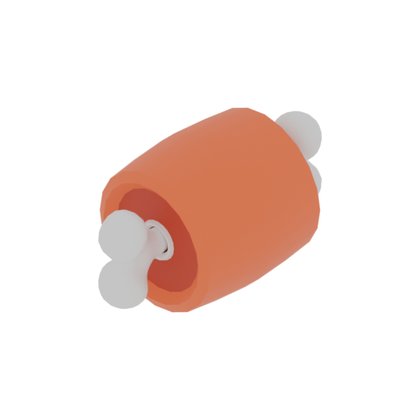


Ham hock3 parts
TL;DR We propose a physics-guided framework for improving single-image part-aware 3D generation with physically compatible geometry and stable connections.

Existing methods generate visually complete parts without ensuring they form a valid physical assembly. Neighboring parts interpenetrate, lack valid connections, or collapse under gravity.
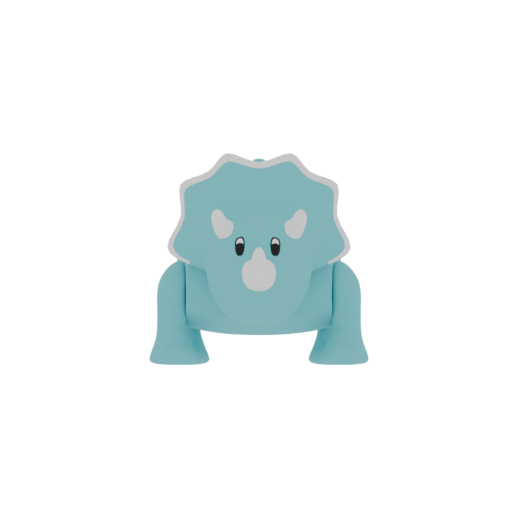



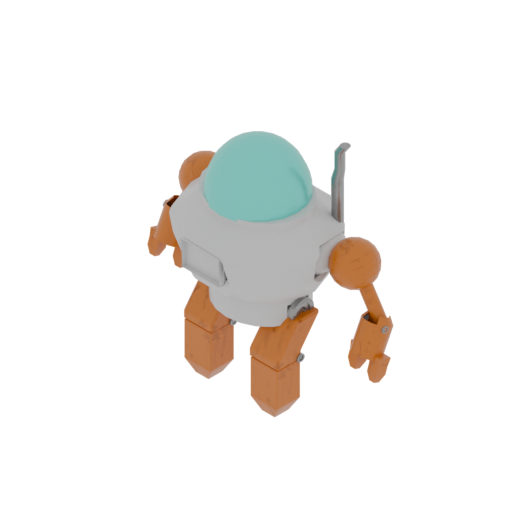
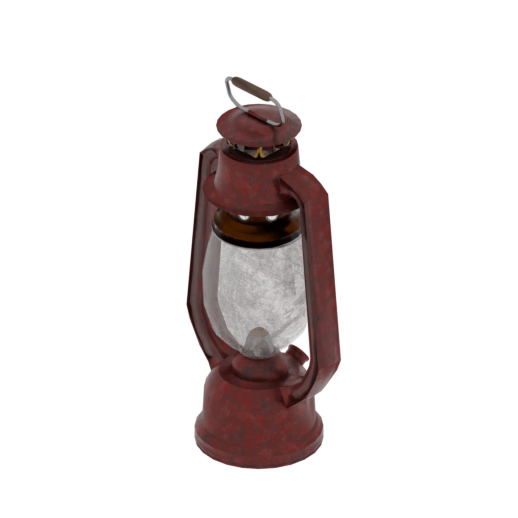
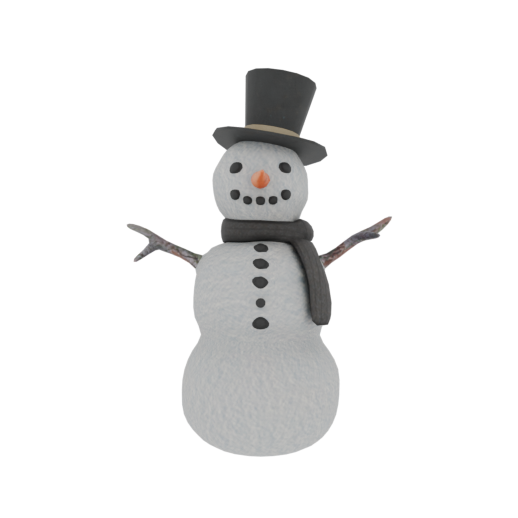
Input image
Red is geometry buried inside a neighbouring part
Released under gravity in simulation
Ours: holds together in simulation
We resolve inter-part penetration, recover a contact graph between neighboring parts, and introduce parameterized connectors refined against physical simulation.
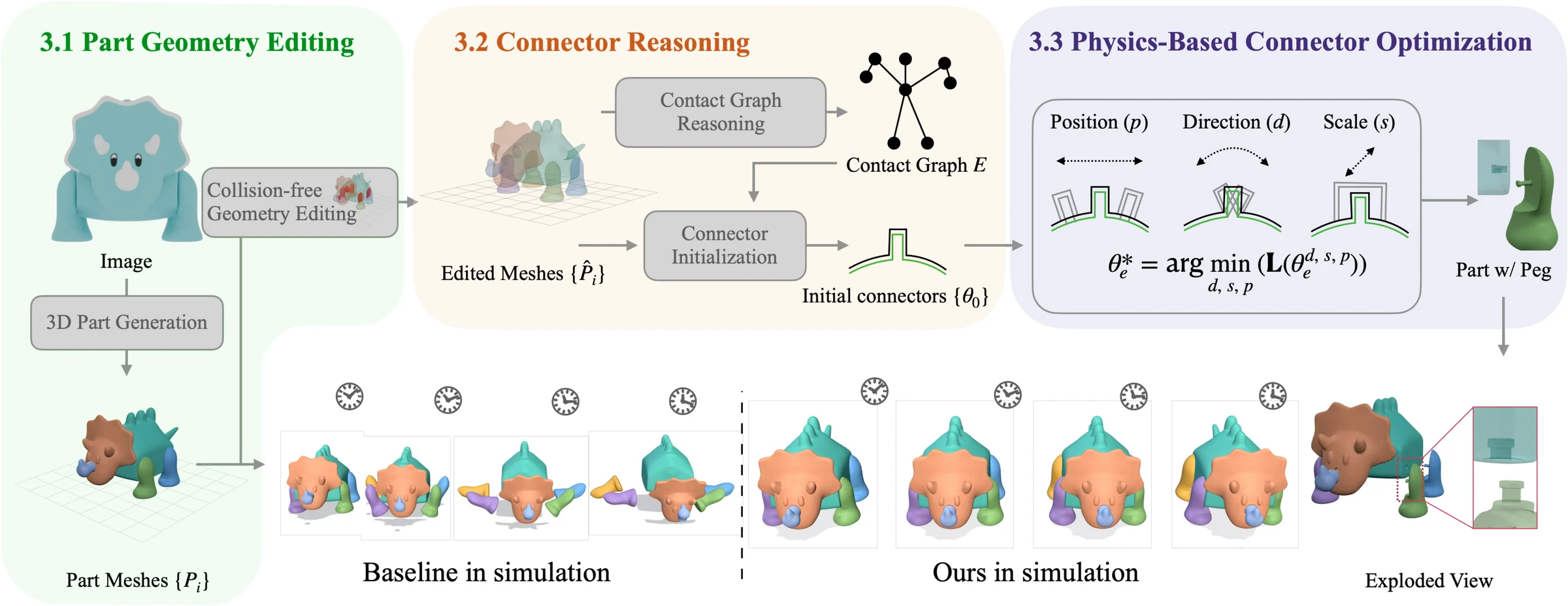
Every assembly is released under gravity exactly as generated. Parts that look complete are not necessarily physically realizable: they interpenetrate, have no valid contact surfaces, and fall. Our method makes them realizable.










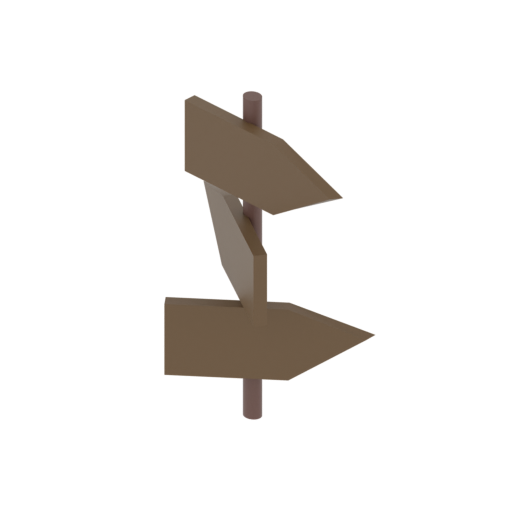












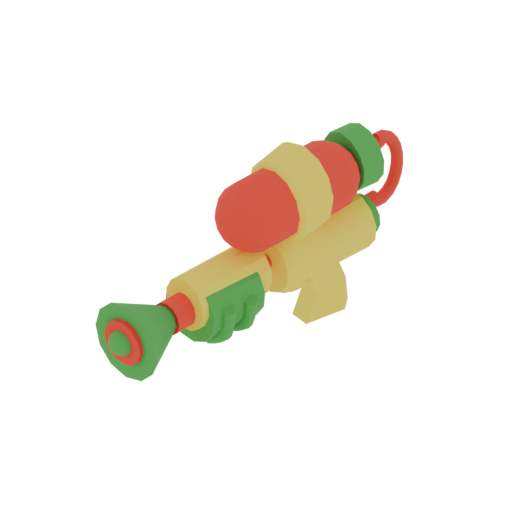




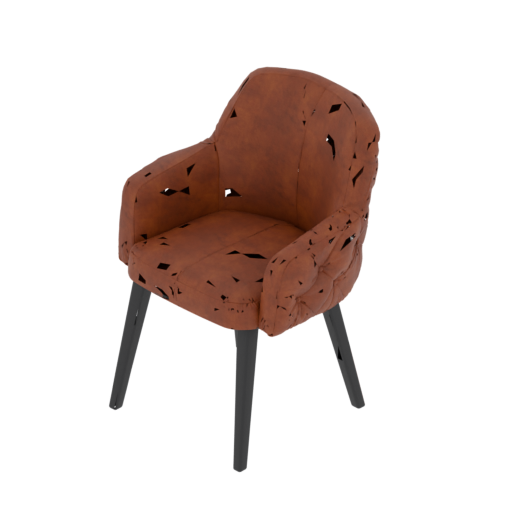




Each stage added cumulatively to the same input decomposition. Geometry editing removes penetration, connectors provide the largest gain in stability, and physics-based optimization fixes the remaining cases.
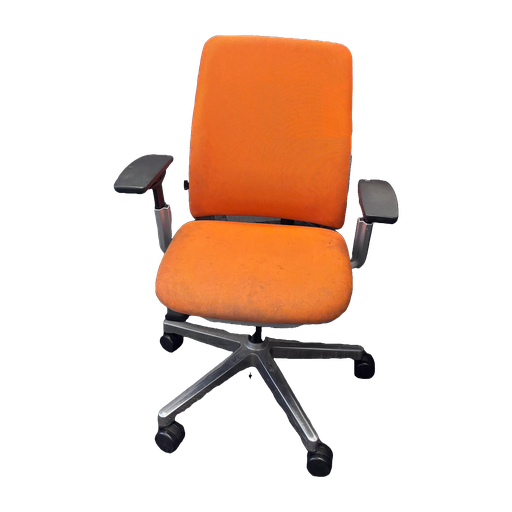
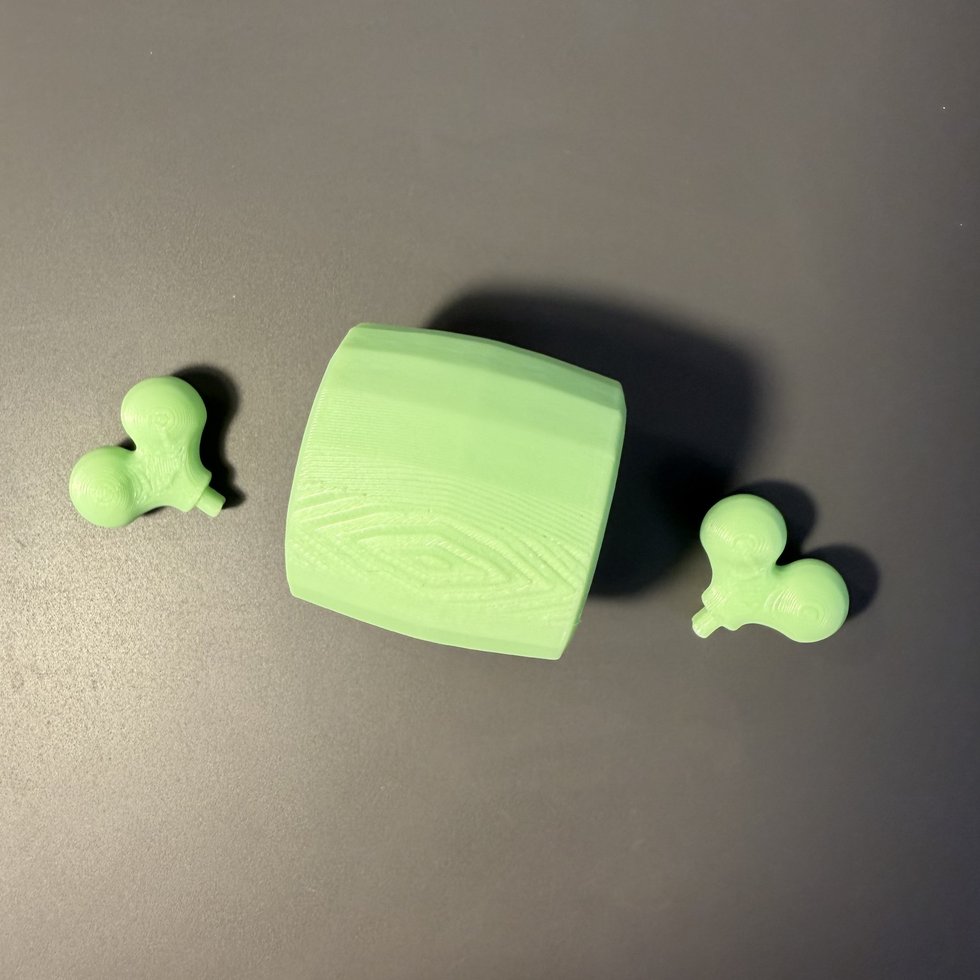
The exported parts go to a desktop FDM printer and join by hand, with no glue and no fasteners. Each row shows the input image, the parts as printed, and the object after manual assembly.
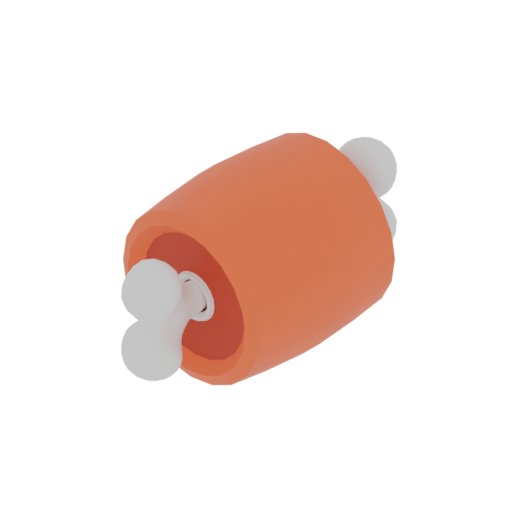
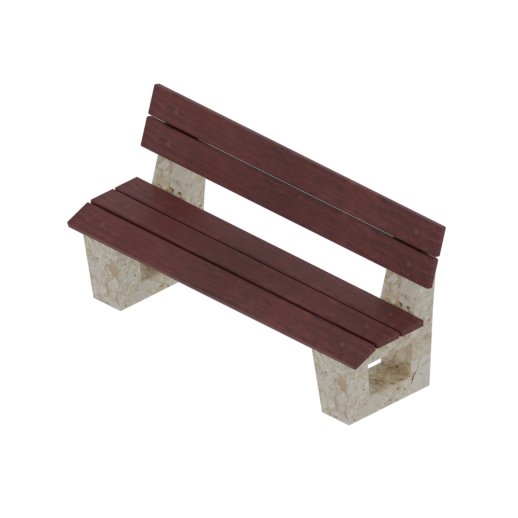
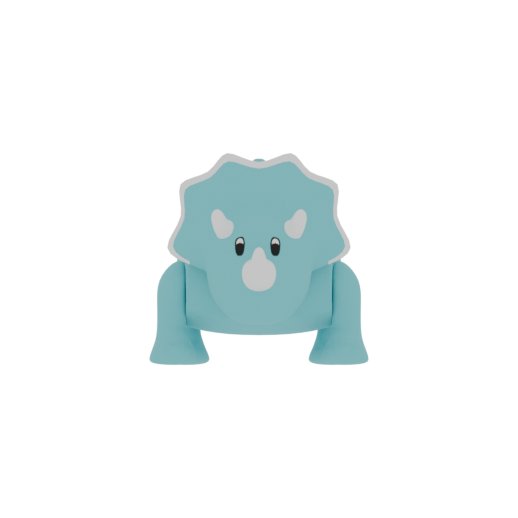
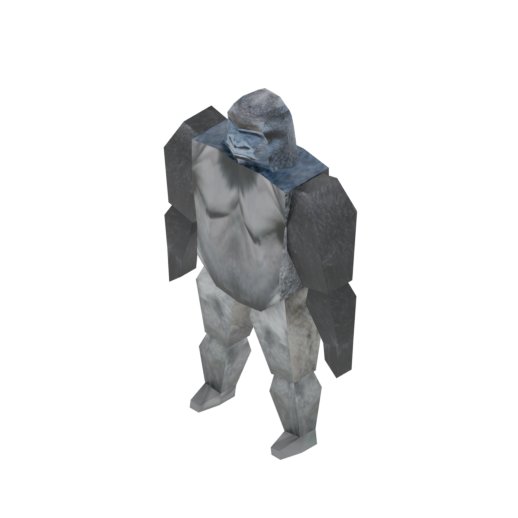
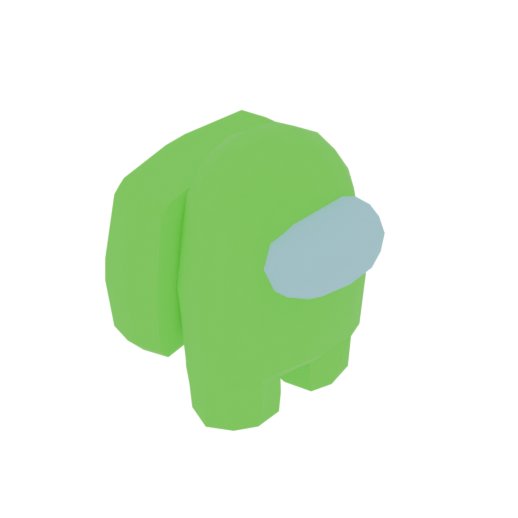
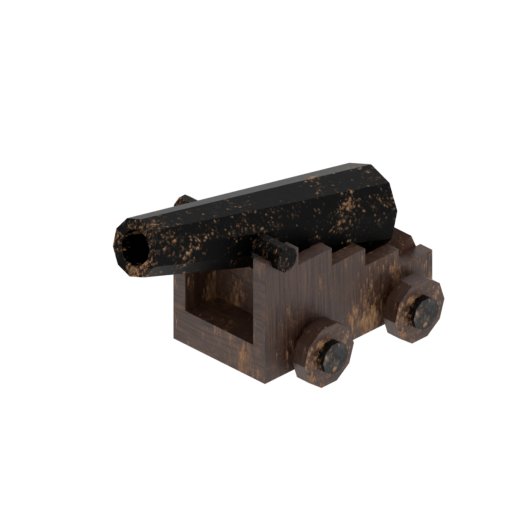
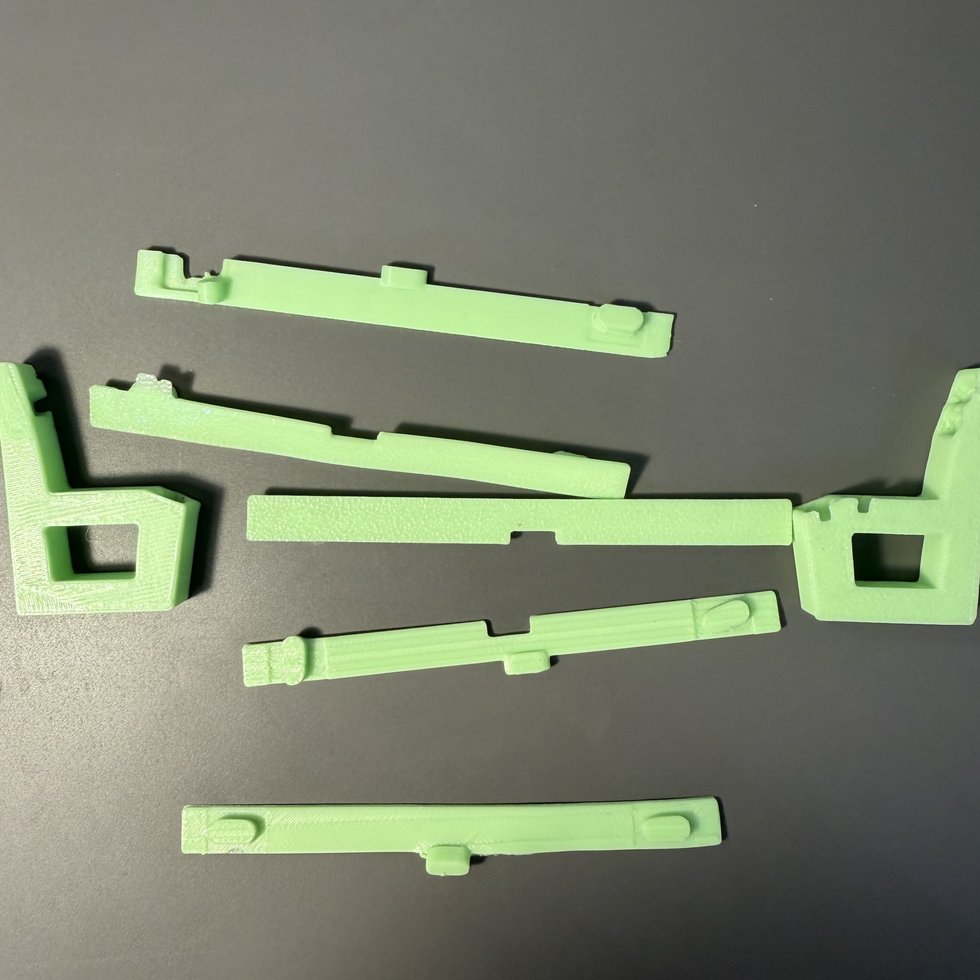
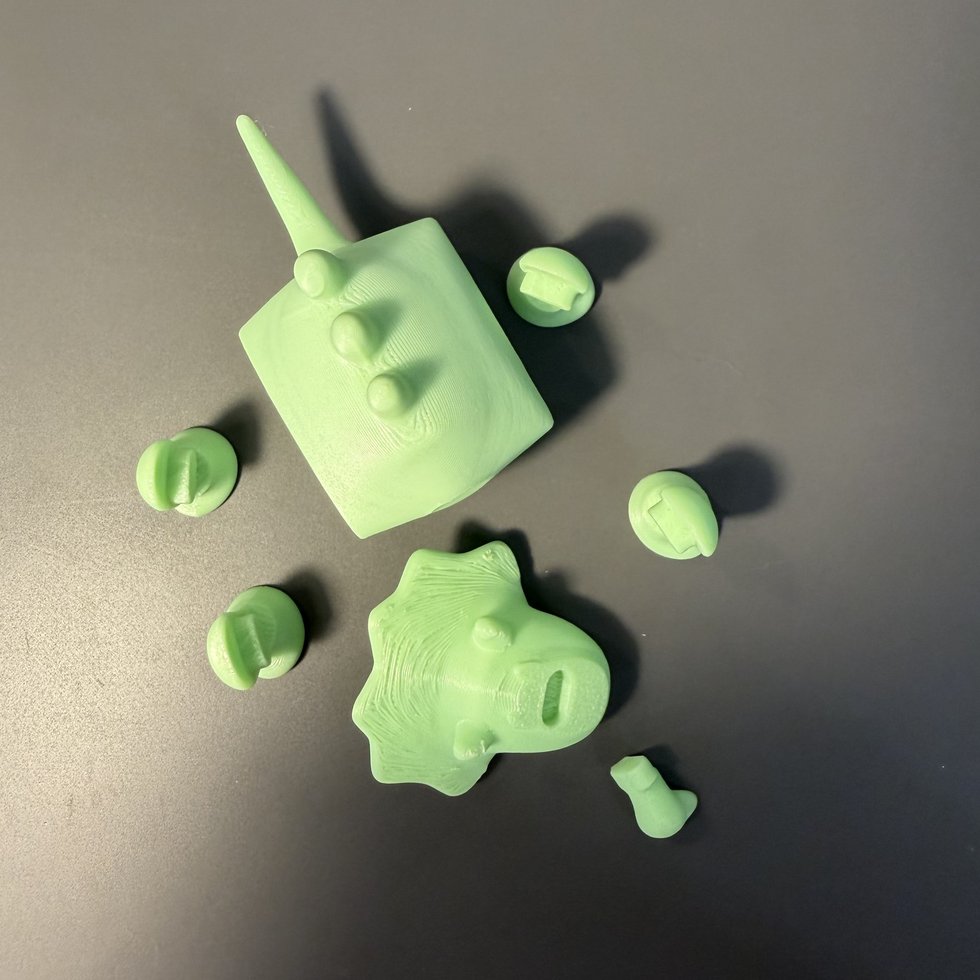
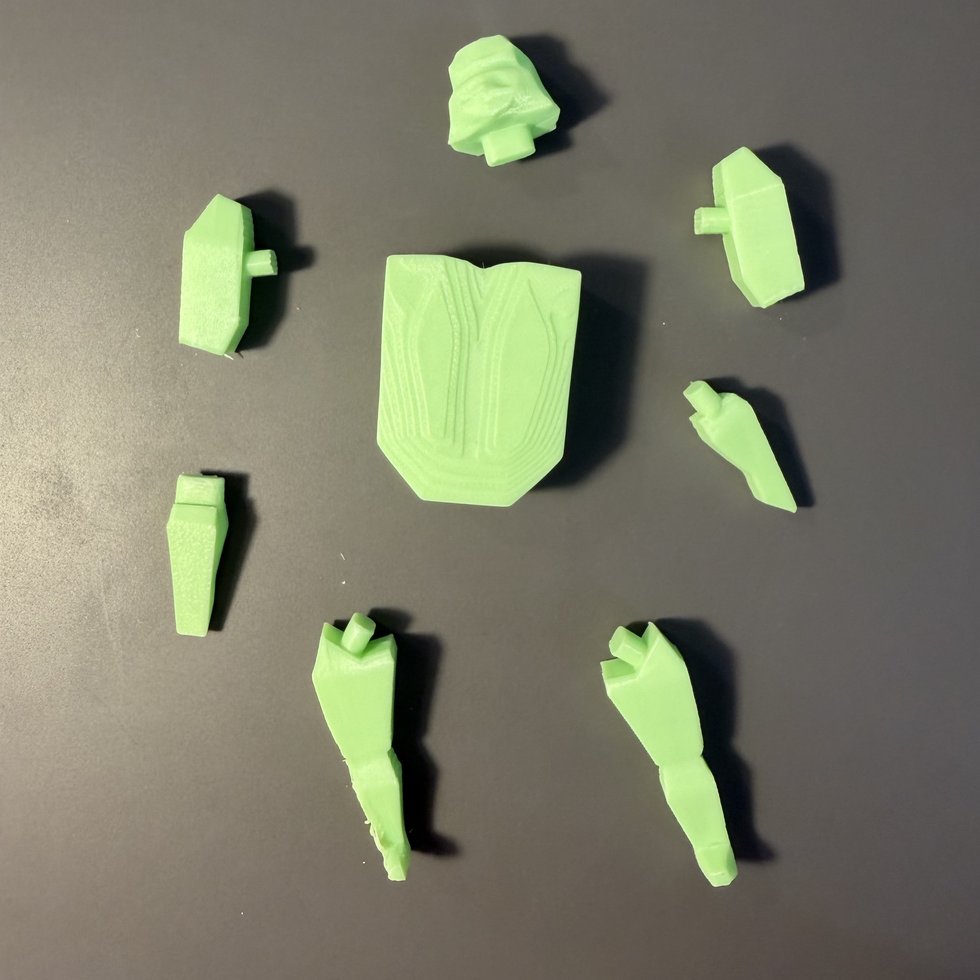
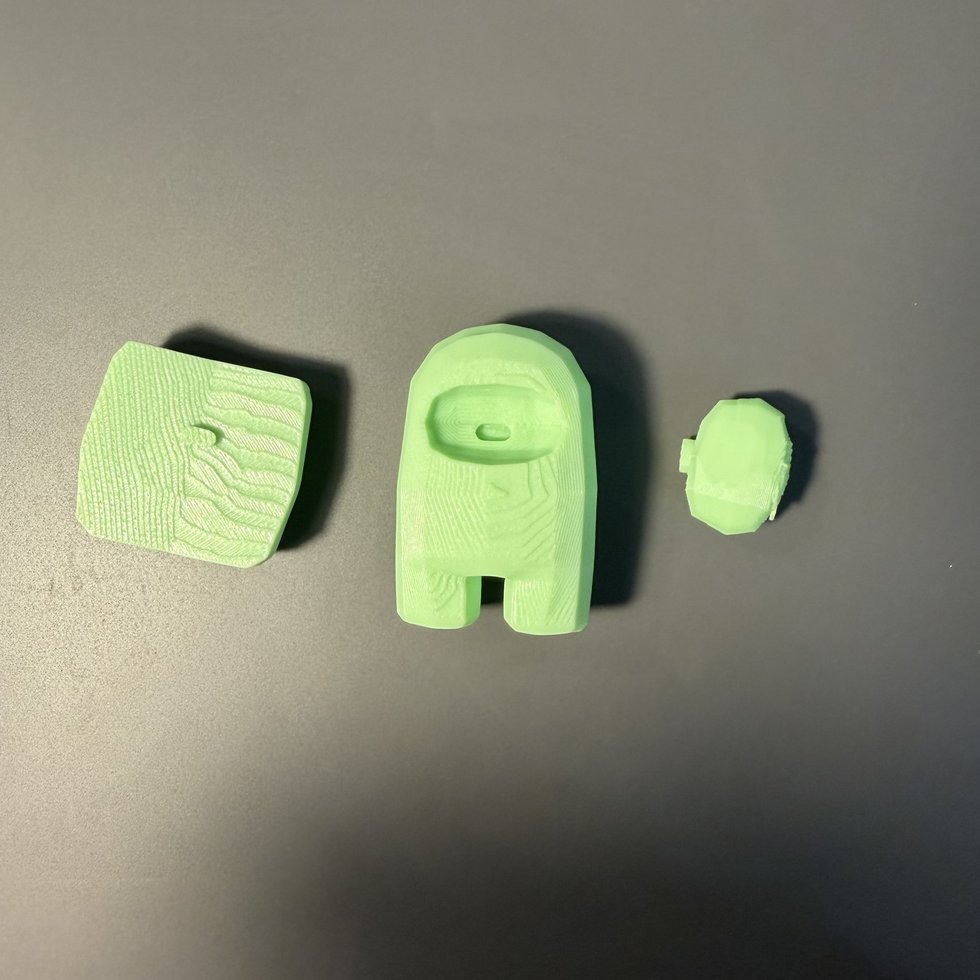
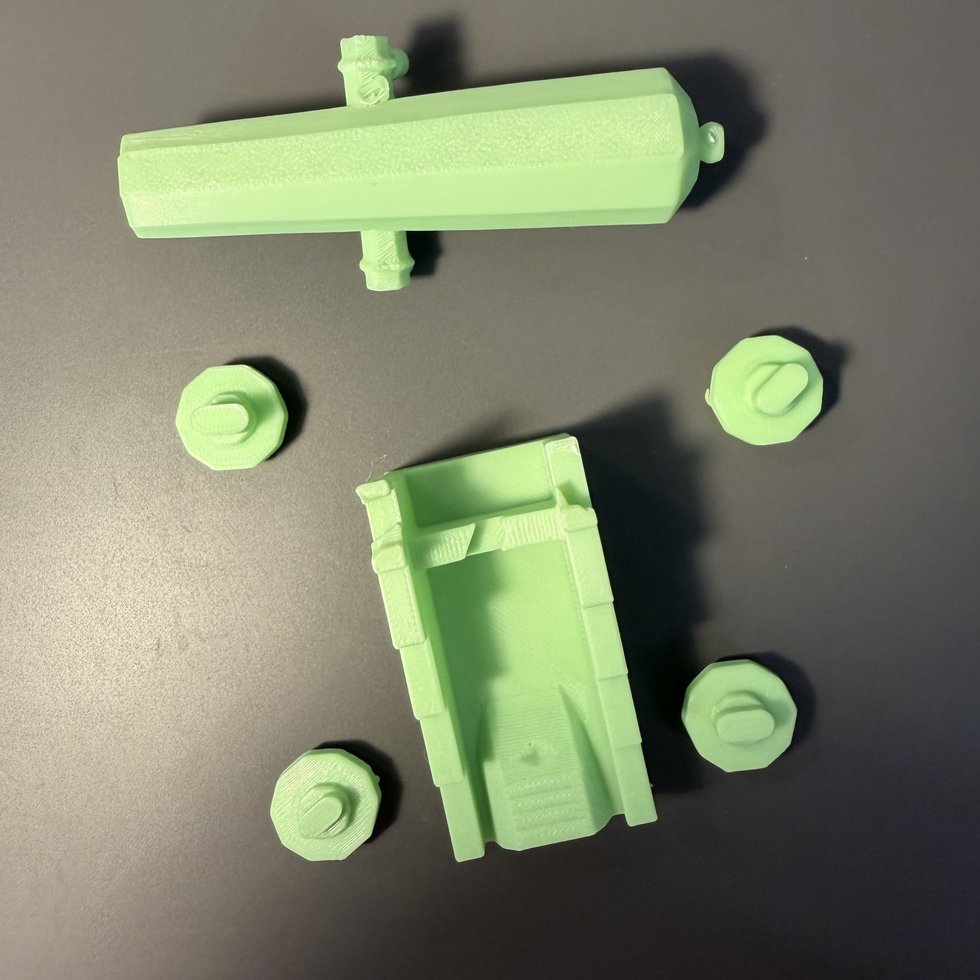
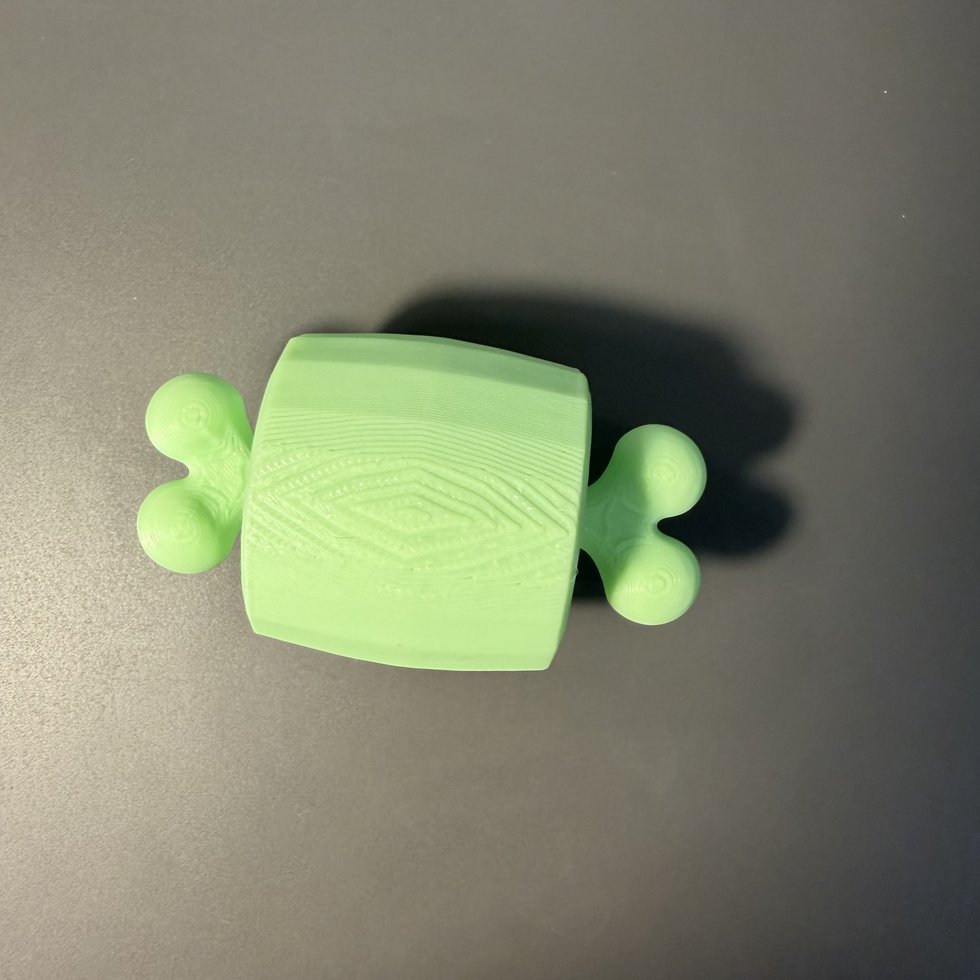
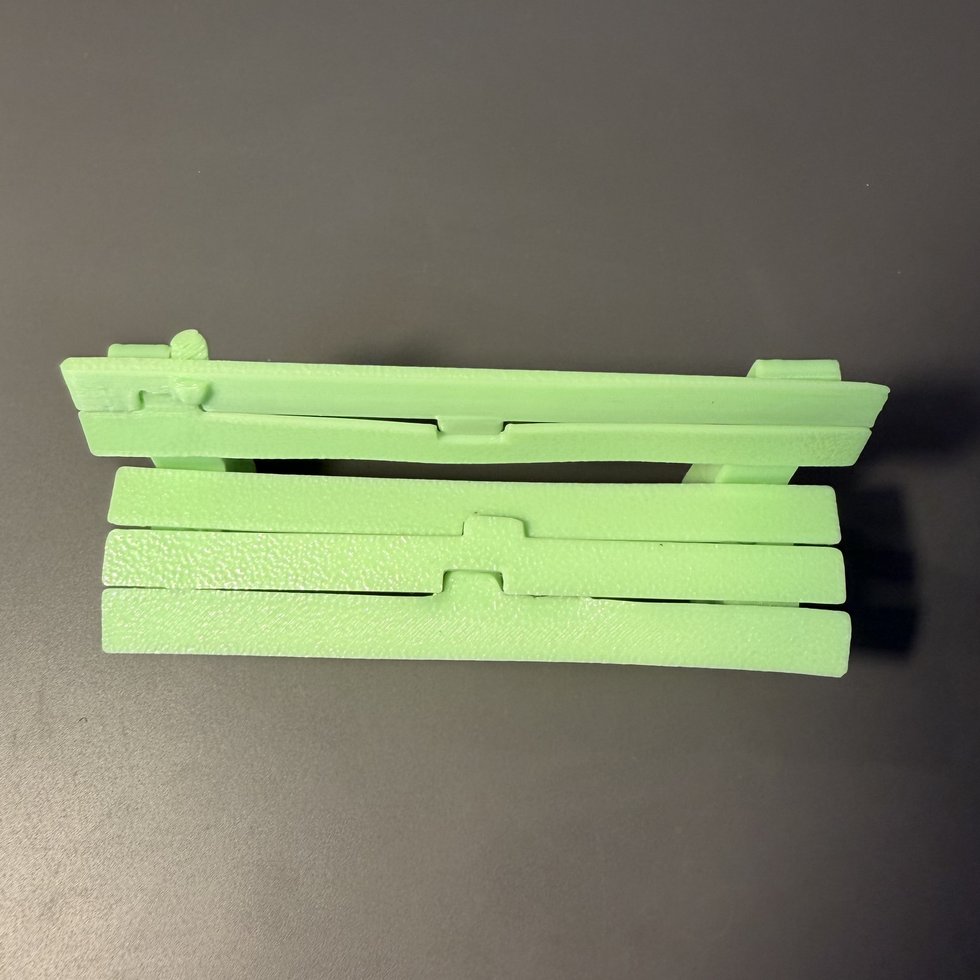
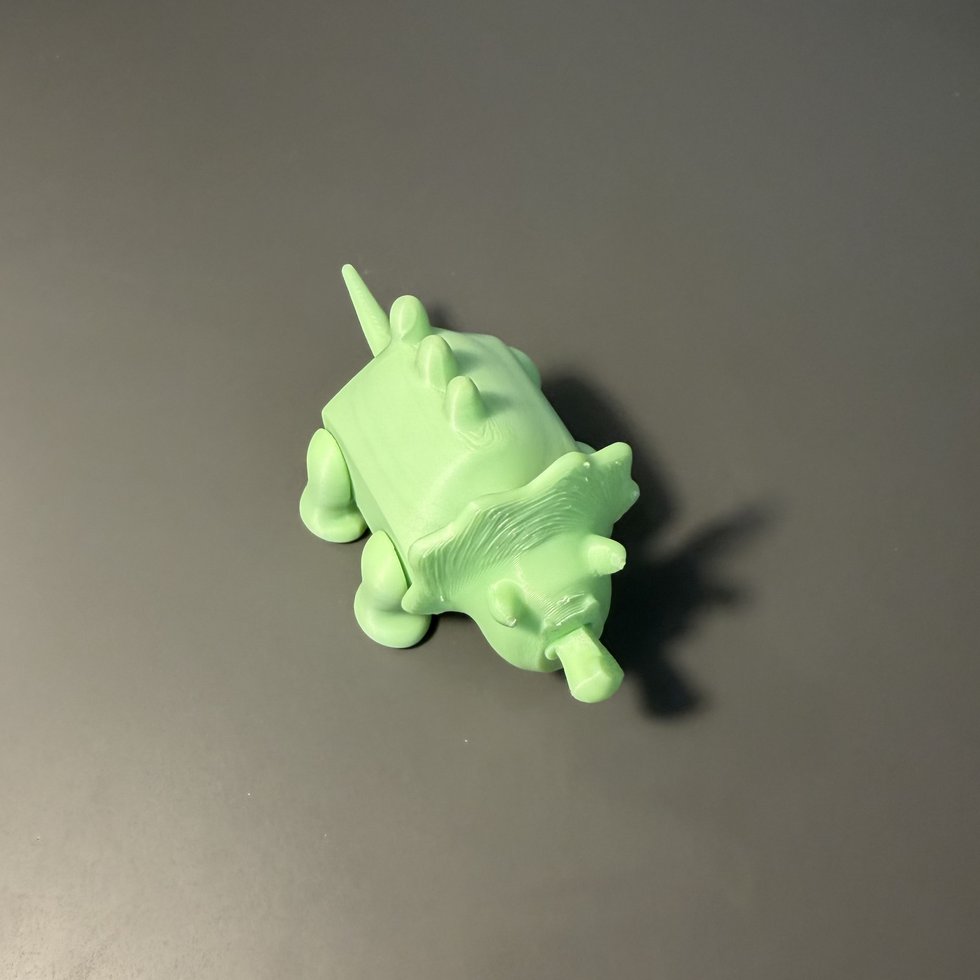
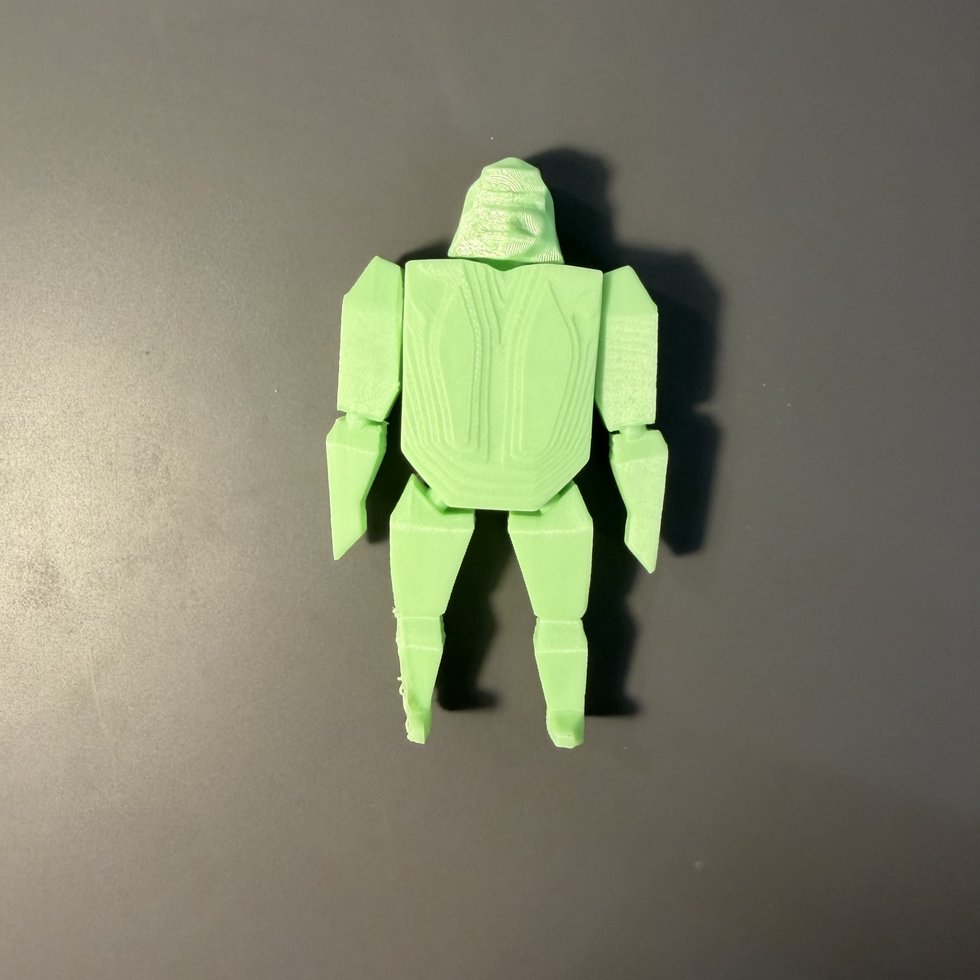
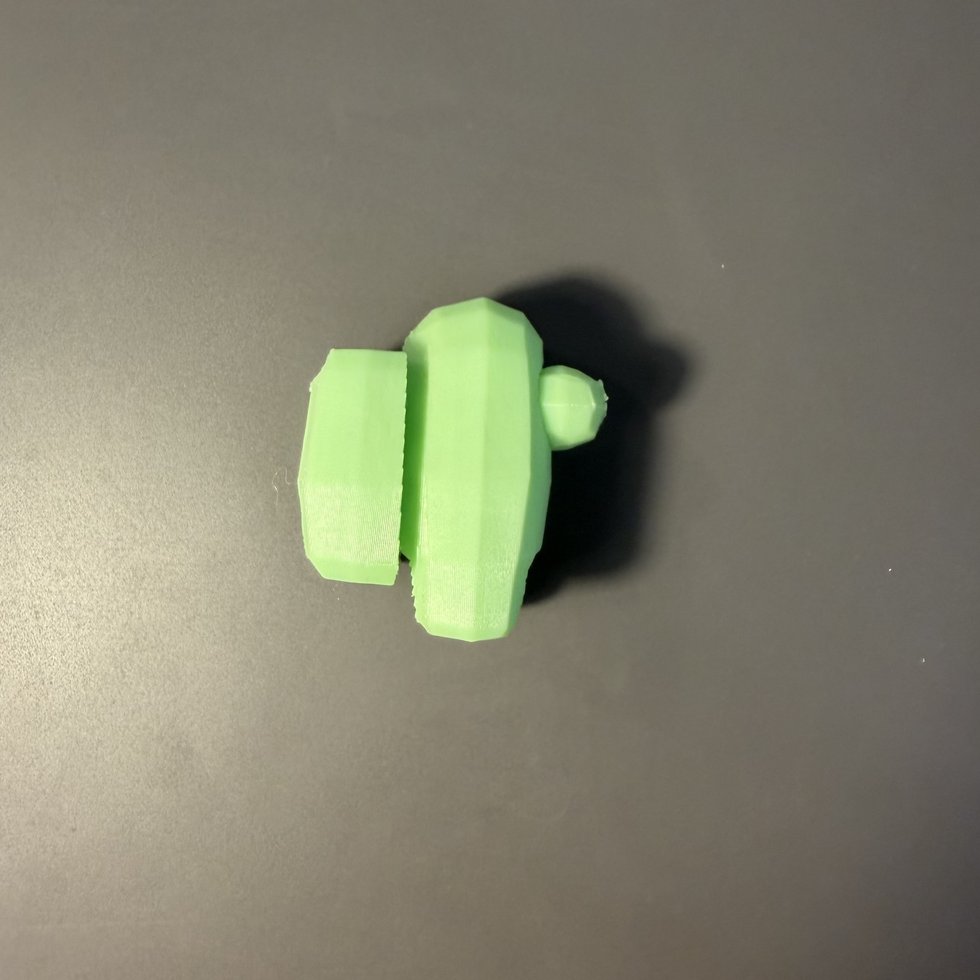
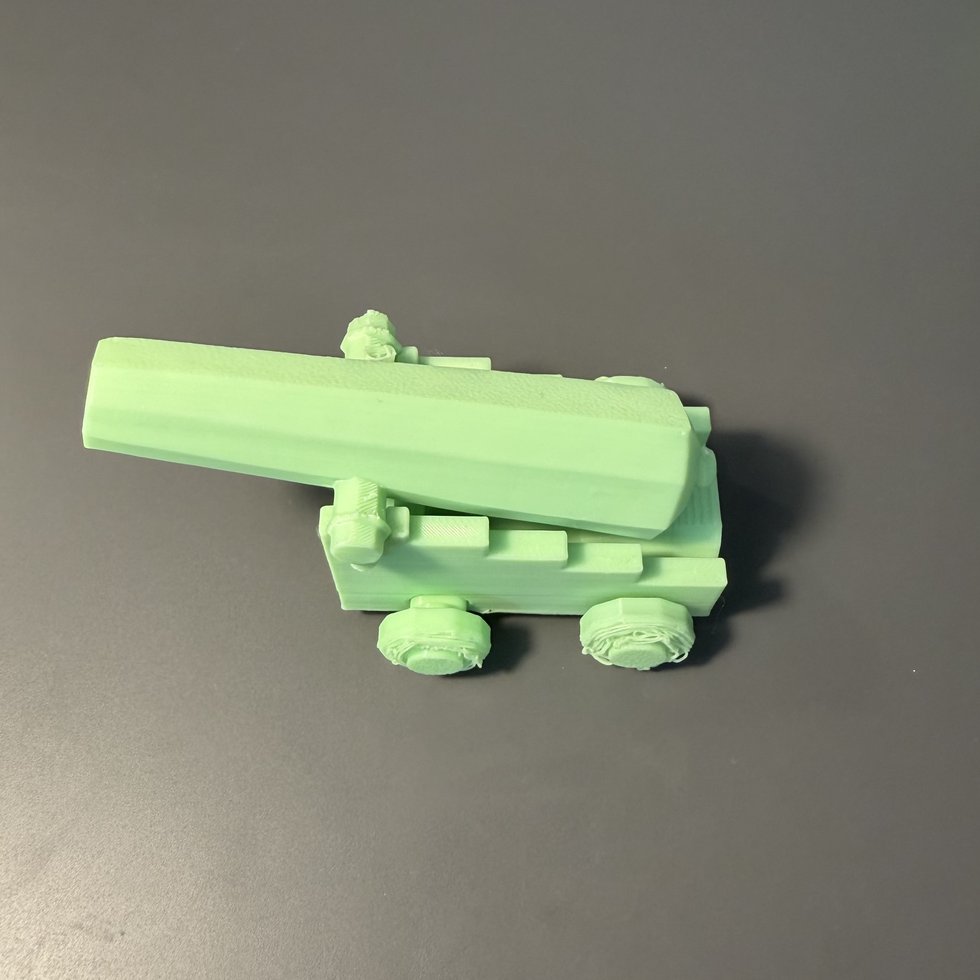
Our results, in per-part colour or with the generated texture — use the toggle. The middle row plays the exploded view, and the bottom row is the assembly standing under gravity in simulation, not a static render.
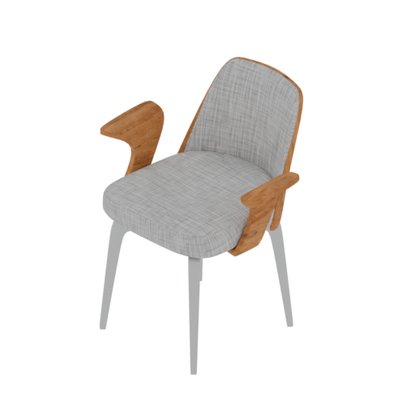


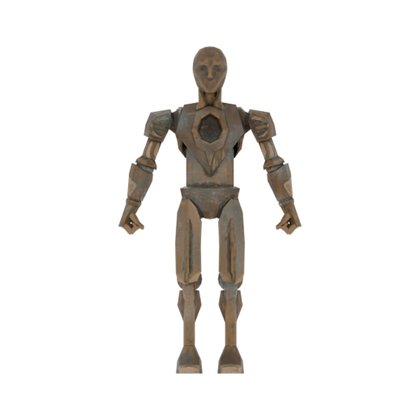


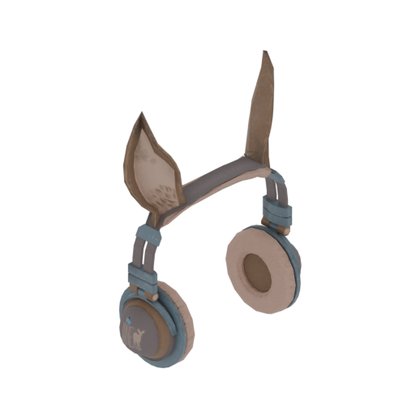




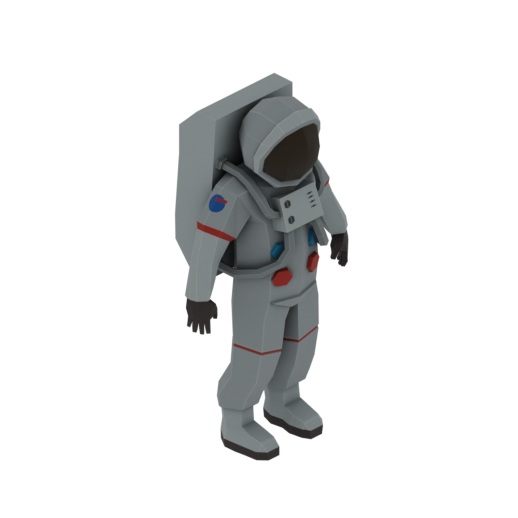




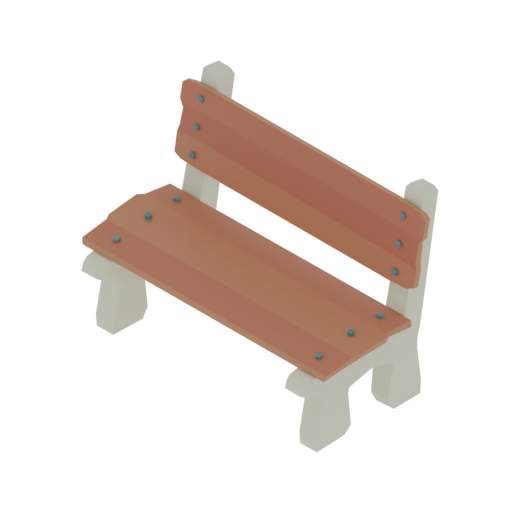


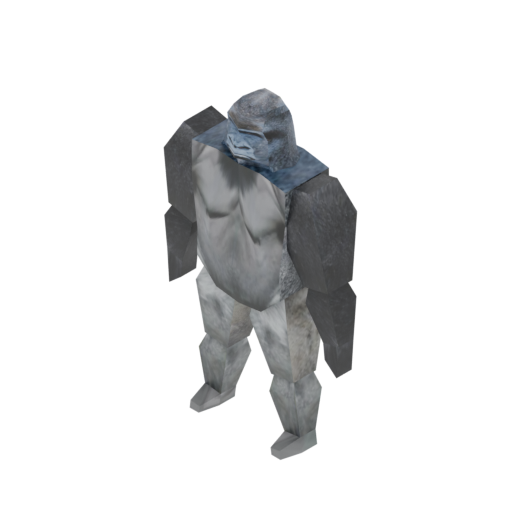


Click any object above to open it here · drag to rotate · scroll to zoom · slider to take it apart.
@misc{tuan2026physicallygrounded,
  title  = {SNAP3D: Physically Grounded 3D Parts for Assembly from a Single Image},
  author = {Tuan, Yu-Rou and Tsui, Hao-Tang and Ugrinovic, Nicol\'as and
            Kitani, Kris and Ma, Xiaoxuan},
  year   = {2026},
  note   = {Preprint}
}